
|
What to Expect During Early Stage Gum Disease
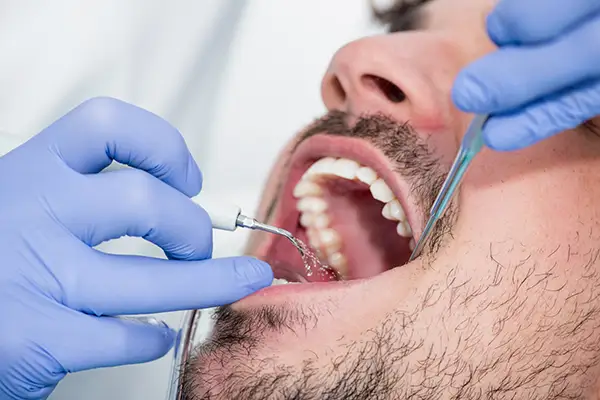 Gum disease, also known as periodontal disease, is an infection of the gums that can damage the soft tissues and bones that support your teeth. If left untreated, it can lead to tooth loss. The good news is that gum disease is preventable and treatable, especially in its early stages. Gum disease, also known as periodontal disease, is an infection of the gums that can damage the soft tissues and bones that support your teeth. If left untreated, it can lead to tooth loss. The good news is that gum disease is preventable and treatable, especially in its early stages.What are the Signs and Symptoms of Early Stage Gum Disease?Early stage gum disease, also known as gingivitis, often goes unnoticed. That's why regular dental checkups are so important. However, there are some signs and symptoms you can watch out for:
What Causes Early Stage Gum Disease?The main cause of early stage gum disease is poor oral hygiene. When you don't brush and floss your teeth regularly, plaque builds up on your teeth. Plaque is a sticky film that contains bacteria. These bacteria can irritate the gums and cause them to become inflamed. Other factors that can contribute to early stage gum disease include:
How is Early Stage Gum Disease Diagnosed?Your dentist will diagnose early stage gum disease by examining your gums and teeth. They will also ask you about your medical history and oral hygiene habits. In some cases, they may take X-rays to check for bone loss. How is Early Stage Gum Disease Treated?The goal of treatment for early stage gum disease is to remove the plaque and bacteria that are causing the infection. This can be done through:
What Happens if Early Stage Gum Disease is Left Untreated?If early stage gum disease is left untreated, it can progress to periodontitis. Periodontitis is a more serious form of gum disease that can damage the bones that support your teeth. This can lead to tooth loss. How Can I Prevent Early Stage Gum Disease?The best way to prevent early stage gum disease is to practice good oral hygiene. This includes:
If you have any concerns about your oral health, be sure to talk to your dentist. Early detection and treatment of gum disease can help prevent serious complications down the road. Restoration DentistryIf you have already experienced some damage to your teeth or gums due to gum disease, your dentist can help restore your oral health through restorative dentistry. This may involve procedures such as:
By working with your dentist, you can develop a treatment plan that will help you regain your oral health and prevent further damage from gum disease. |

Hours
Mon
Tues Weds Thur Fri
9am to 5pm
8am to 4pm 9am to 5pm 8am to 4pm By Appt Only We take Lunch from 1-2pm |
